Adobong Pula: The Traditional Filipino Red Adobo Made with Atsuete
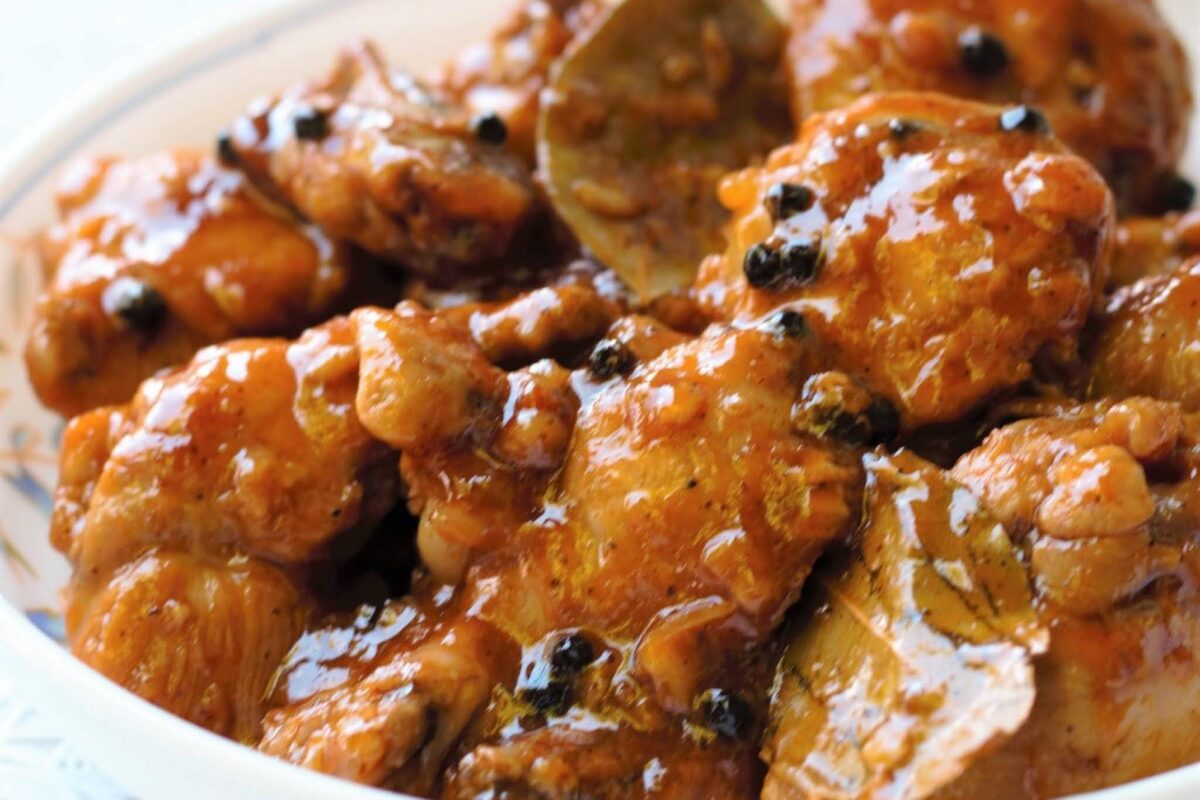
Discover the Rich Flavor of Adobong Pula
Filipino adobo is famous for its savory, tangy flavor, tender meat, and delicious sauce served over steamed rice. Many people are familiar with the dark brown version made with soy sauce, vinegar, garlic, and peppercorns. However, the Philippines has many regional interpretations of this beloved dish, including one with a striking red-orange color: adobong pula.
Adobong pula, which means “red adobo,” gets much of its distinctive color from atsuete, also called achuete or annatto. Instead of relying entirely on soy sauce for its familiar dark appearance, this variation uses annatto-infused oil or annatto water to color the meat and cooking liquid.
The result is a beautiful, reddish-orange dish with the familiar tang of vinegar, the aroma of garlic, and the savory depth of traditional Filipino cooking. Depending on the recipe, it may be prepared with chicken, pork, or a combination of meats. Some versions use fish sauce rather than soy sauce, while others include additional seasonings.
Adobong pula is associated with several Filipino regional food traditions, particularly in Cavite, Batangas, and Iloilo. In Iloilo, it is also known as an Ilonggo-style adobo made with annatto. Local names and recipes can vary, so the dish should be understood as part of a wider family of Filipino adobo variations rather than a single standardized recipe. Read more about annatto in Philippine food from VERA Files.
Whether you are exploring regional Filipino cuisine or looking for a new recipe for your family, adobong pula offers a colorful alternative to ordinary soy sauce-based adobo. It is flavorful, comforting, and easy to serve with rice.
What Is Adobong Pula?
Adobong pula is a Filipino adobo variation recognized by its reddish or orange-red color. Its defining ingredient is annatto, a natural food coloring obtained from the seeds of the annatto plant.
In Filipino kitchens, annatto is commonly called atsuete or achuete. The seeds can be gently heated in oil to release their color, soaked in warm water, or used in a prepared annatto powder or oil.
The colored oil or liquid is then incorporated into the cooking process. As the meat simmers with vinegar, garlic, and seasonings, the annatto gives the dish its characteristic appearance.
Common ingredients include:
- Chicken, pork, or a combination of meats
- Atsuete seeds, annatto powder, or annatto oil
- Garlic
- Vinegar
- Fish sauce or salt
- Whole black peppercorns
- Bay leaves
- Water or broth
- Optional onion, ginger, or chili
Not every version uses exactly the same ingredients. Some cooks add soy sauce, while others leave it out to allow the annatto color to stand out. Some recipes use pork ribs or pork belly, and others feature chicken pieces.
The cooking method also varies. Adobong pula may be simmered until tender and saucy or cooked longer until the liquid is reduced and the meat is coated in a concentrated seasoning.
Its main distinction is the use of annatto, which gives the dish a different appearance from the more familiar dark adobo.
The History and Regional Roots of Adobong Pula
A dish associated with Cavite, Batangas, and Iloilo
Adobong pula is commonly linked to different regional food traditions across the Philippines. Culinary references describe annatto-colored adobo in Batangas and Cavite in Luzon, as well as Iloilo in the Visayas.
The National Nutrition Council discusses a Batangas version of chicken-and-pork adobo that uses achuete water to add color and flavor in place of soy sauce. Food writers and recipe publications also document Iloilo’s adobong pula, sometimes prepared with pork ribs, garlic, vinegar, and annatto. See the National Nutrition Council’s overview of Filipino adobo variations and Kawaling Pinoy’s Ilonggo-style pork ribs adobo.
These regional connections show how one cooking tradition can develop different identities as it moves between communities. Ingredients that are familiar in one province may be prepared in a slightly different way elsewhere, producing a dish with a recognizable local character.
It would be misleading, however, to assign every version of adobong pula to a single place or claim that all households prepare it identically. Family recipes change over generations, and regional dishes often share ingredients and techniques.
The meaning of pula
In Filipino, pula means “red.” The name describes the dish’s reddish color, which comes primarily from annatto rather than from tomatoes or red chili peppers.
Depending on the amount and preparation of the annatto, the finished dish can range from golden orange to a deeper reddish-orange. The exact shade depends on the concentration of the coloring, the meat, the cooking fat, and the other ingredients.
The color is part of the dish’s identity, but it is not meant to replace the flavor of the vinegar, garlic, and seasonings. A good adobong pula should be well balanced, not merely brightly colored.
What is atsuete?
Atsuete is the Filipino name commonly used for annatto seeds. The seeds have a natural orange-red pigment that can be extracted into oil or water and used to color food.
Annatto is used in several Filipino dishes, including kare-kare and various noodle preparations. Its role in adobong pula demonstrates how one ingredient can connect different dishes across the country’s culinary traditions. VERA Files provides a detailed account of annatto’s place in Philippine food culture.
Annatto is primarily used for color in this recipe. Its flavor is relatively mild, so the dish’s main savory and sour notes come from the meat, garlic, vinegar, and seasoning.
What Does Adobong Pula Taste Like?
Adobong pula has the familiar savory and tangy qualities of Filipino adobo, but the exact taste depends on the recipe.
Vinegar provides acidity, garlic brings a strong aroma, and black peppercorns add gentle warmth. Fish sauce or salt gives the dish its savory foundation. Annatto contributes its characteristic color without making the dish taste like chili sauce.
When pork is used, its fat can enrich the sauce. Chicken provides a lighter alternative and absorbs the seasoning well during simmering.
Some versions include ginger, which introduces a warm, fragrant note. Others use onion or chili to create a more complex flavor. A small amount of sugar may appear in certain recipes, although it is optional rather than essential.
Adobong pula should not automatically be considered spicy just because it looks red. Its color comes from annatto, not necessarily from hot peppers.
The best version balances the sourness of vinegar with the savory seasonings and the natural richness of the meat.
Easy Chicken Adobong Pula Recipe
This home-cooking recipe uses chicken, annatto-infused oil, vinegar, garlic, and familiar adobo seasonings. It is inspired by documented Filipino red adobo preparations but is not intended to represent every regional recipe.
Preparation time: 15 minutes
Cooking time: 40–50 minutes
Servings: 4–5
Difficulty: Easy to moderate
Ingredients
For the chicken:
- 1 kg chicken pieces, preferably bone-in thighs and drumsticks
- 1 tablespoon cooking oil, plus more if needed
- 8 cloves garlic, crushed or chopped
- 1 medium onion, sliced (optional)
- 1 teaspoon whole black peppercorns
- 2 bay leaves
- ½ cup cane vinegar or white vinegar
- 1 cup water, adding more if needed
- 1–2 tablespoons fish sauce, adjusted to taste
- Salt and ground black pepper, as needed
- 1–2 long green chilies, optional
For the annatto oil:
- 1 tablespoon annatto seeds
- 3 tablespoons cooking oil
Convenient alternative: Use prepared annatto oil or a small amount of annatto powder according to its package directions. The color strength varies between products, so add gradually.
Step 1: Prepare the annatto oil
Place the cooking oil in a small pan over low heat. Add the annatto seeds and stir gently for a few minutes until the oil develops a reddish-orange color.
Do not let the seeds burn. Excessive heat can produce an unpleasant flavor and darken the oil too much.
Remove the pan from the heat and strain out the seeds, keeping the colored oil. Set it aside.
If you are using prepared annatto oil, you can skip this step.
Step 2: Prepare the chicken
Cut the chicken into serving-sized pieces if necessary. Pat the pieces dry with clean paper towels if you want them to brown more easily.
Keep raw chicken separate from ready-to-eat food and wash your hands and utensils after handling it.
Step 3: Sauté the garlic and onion
Heat a heavy pot over medium heat and add the cooking oil or some of the prepared annatto oil.
Add the garlic and sauté until fragrant. If you are using onion, add it and cook until softened.
Avoid burning the garlic, as it can make the finished sauce bitter.
Step 4: Brown the chicken
Add the chicken pieces to the pot. Turn them occasionally and cook for several minutes until the outside loses its raw appearance and begins to brown lightly.
This step helps develop flavor. The chicken will finish cooking during the simmering stage.
Step 5: Add the annatto oil and seasonings
Pour in the prepared annatto oil and stir to coat the chicken evenly. The meat should begin taking on a warm orange-red color.
Add the fish sauce, black peppercorns, and bay leaves. Stir gently to distribute the seasonings.
If you prefer to use salt instead of fish sauce, add a small amount and adjust the seasoning later.
Step 6: Add vinegar and water
Pour in the vinegar and water. Bring the mixture to a boil, then allow it to boil briefly before lowering the heat to a gentle simmer.
Some Filipino adobo techniques leave the vinegar undisturbed while it first boils. You can follow this approach before stirring the liquid and continuing to cook.
Cover the pot and simmer gently for approximately 25–35 minutes, turning the chicken occasionally. The exact cooking time depends on the size of the pieces.
Step 7: Simmer until the chicken is tender
Continue cooking until the chicken is tender and thoroughly cooked. Add small amounts of water if necessary to prevent the pot from drying out too quickly.
For food safety, check that the thickest part of the chicken reaches an internal temperature of 74°C (165°F).
As the chicken cooks, the vinegar, garlic, seasonings, and annatto oil form a rich, reddish-orange sauce.
Step 8: Reduce the sauce
Remove the lid and let the liquid simmer for another 5–15 minutes, depending on how much sauce you want.
For a saucy version, stop when enough flavorful liquid remains to spoon over rice. For a drier version, allow more of the liquid to evaporate until the sauce coats the meat.
Taste the sauce and adjust with fish sauce, salt, or a little water as needed. Add the optional green chilies during the final part of cooking if you want some heat.
Step 9: Serve hot
Remove the bay leaves before serving. Arrange the chicken on a platter and pour the reddish-orange sauce over it.
Serve with steamed white rice and a vegetable side dish. The rice absorbs the sauce and helps balance its tangy, savory flavor.
Pork Adobong Pula: A Richer Alternative
Chicken is a convenient option, but pork adobong pula is also popular in Filipino cooking. Pork belly, pork shoulder, and pork ribs can all work well.
Pork belly creates a rich dish because it contains more fat. Pork shoulder offers a meaty texture, while ribs contribute flavor from the meat and connective tissue.
To make a pork version, replace the chicken with approximately 1 kg of pork cut into serving-sized pieces. Follow the same general method, but allow more time for the pork to become tender.
Depending on the cut and size, pork may require around 45–75 minutes or longer to cook properly. Keep the heat low enough for gentle simmering and add water if the pot becomes too dry.
You can also combine pork and chicken for a mixed-meat version. If you do, add the meats in an order that allows each one to become tender without overcooking the chicken.
Some regional and family recipes add ginger, onion, or other seasonings. These additions can create a different flavor profile while preserving the dish’s defining use of annatto.
Tips for Making Delicious Adobong Pula
Use annatto carefully
Annatto gives the dish its signature color, but more is not always better. Too much coloring can make the dish look darker than intended without improving its taste.
Start with a modest amount of annatto oil, then adjust the color gradually.
Keep the annatto seeds from burning
If making your own annatto oil, use low heat. Strain the seeds out before cooking the chicken so that burnt particles do not remain in the finished sauce.
Choose the right vinegar
Cane vinegar is a good option for a Filipino-style flavor. White vinegar is also widely available. Because different vinegars vary in acidity, taste the sauce near the end and adjust the balance if necessary.
Let the meat simmer gently
A strong boil can evaporate the liquid too quickly and leave the meat tough before it becomes tender. Gentle simmering gives the seasoning time to penetrate the chicken or pork.
Decide how much sauce you want
Adobong pula can be prepared with a generous amount of sauce or reduced until relatively dry. If you plan to serve it over rice, keeping some sauce is often practical.
Season near the end
Fish sauce and salt become more concentrated as the liquid reduces. Start with a moderate amount and make final adjustments after the meat is tender.
Common Mistakes to Avoid
Burning the annatto seeds: High heat can spoil the flavor of the oil. Infuse the seeds slowly and strain them out.
Adding too much salt or fish sauce: The sauce becomes more concentrated as it reduces. Season gradually and taste before adding more.
Expecting the red color to mean the dish is spicy: Annatto creates color, not significant chili heat. Add chili separately if you want a spicy version.
Using too much vinegar without balancing the sauce: Vinegar is important to adobo, but the final flavor should be pleasantly tangy rather than harsh. Allow the dish to simmer and taste before serving.
Cooking the meat too quickly: A short, aggressive boil may leave the meat less tender. Simmer patiently and check the chicken’s internal temperature.
Assuming every red adobo uses the same ingredients: Some recipes omit soy sauce, while others include it. There are also differences in meat, seasonings, and sauce consistency.
What to Serve with Adobong Pula
Steamed white rice is the natural accompaniment to adobong pula. Its mild flavor complements the savory, tangy sauce and makes the meal satisfying.
Other good side dishes include:
- Garlic fried rice
- Sautéed kangkong or other leafy greens
- Steamed okra or green beans
- Fresh tomato slices
- Sliced cucumber
- Simple sautéed vegetables
For a Filipino family meal, serve the chicken or pork on a platter with rice and a vegetable side dish. The vivid sauce makes an attractive centerpiece without requiring elaborate presentation.
Refrigerate leftovers promptly in a covered container and generally consume them within 3–4 days. Reheat thoroughly until hot throughout, and avoid leaving cooked meat at room temperature for extended periods.
Adobong Pula vs. Regular Adobo vs. Adobong Dilaw
These three dishes share a connection to the Filipino adobo cooking tradition, but each has a defining characteristic.
Regular adobo: Often made with vinegar, soy sauce, garlic, peppercorns, and bay leaves. It commonly develops a dark brown sauce.
Adobong pula: Uses annatto to give the dish a red-orange appearance. Depending on the recipe, it may use fish sauce or salt instead of soy sauce, although some versions include soy sauce.
Adobong dilaw: Uses turmeric, or luyang dilaw, to create a yellow or golden color and a distinctive earthy aroma.
The colors are not the only differences. Each version can have its own regional associations, ingredients, and preferred cooking technique.
The National Nutrition Council describes several such variations and emphasizes the diversity of adobo recipes across the Philippines. The Department of Trade and Industry’s Bureau of Philippine Standards has likewise acknowledged regional differences in its work toward documenting Filipino dishes. Read the DTI-BPS overview of Filipino dish standardization.
Rather than asking which variation is the most authentic, it is more useful to appreciate how different communities make the dish their own.
Frequently Asked Questions About Adobong Pula
1. What does adobong pula mean?
Adobong pula means “red adobo.” The name refers to the reddish or orange-red color that annatto, known locally as atsuete or achuete, gives the dish.
2. Where is adobong pula popular?
Adobong pula is associated with several regions, including Cavite, Batangas, and Iloilo. In Iloilo, annatto-colored adobo is also described as an Ilonggo variation. Recipes and local names vary from one community to another.
3. What gives adobong pula its red color?
Annatto seeds provide the distinctive color. They can be infused in oil, soaked in water, or used in prepared annatto oil or powder.
4. Does adobong pula use soy sauce?
It depends on the recipe. Some versions use fish sauce or salt instead of soy sauce to emphasize the annatto color. Other recipes include soy sauce along with annatto.
5. Is adobong pula spicy?
Not necessarily. Annatto is used mainly for color and has a relatively mild flavor. Chili peppers can be added for heat, but they are optional.
6. Can I make adobong pula with pork?
Yes. Pork belly, pork shoulder, and pork ribs are suitable choices. Pork generally needs a longer simmer than chicken, depending on the cut and size of the pieces.
7. Can I use annatto powder instead of seeds?
Yes. Annatto powder or prepared annatto oil can be convenient alternatives. Follow the product’s directions and add it gradually because color strength varies.
8. Why is my adobong pula too sour?
The vinegar may be too strong for the amount of liquid, or the sauce may not have simmered long enough to develop a balanced flavor. Let it cook gently, taste near the end, and adjust with a little water if necessary.
9. Should adobong pula have a thick sauce?
There is no single required consistency. Some recipes reduce the liquid until it coats the meat, while others retain enough sauce to serve over rice.
10. What is the difference between adobong pula and adobong dilaw?
Adobong pula uses annatto for its red-orange color, while adobong dilaw uses turmeric for a yellow or golden color. Their seasonings and regional traditions can differ as well.
Conclusion: Celebrating the Colorful Diversity of Filipino Adobo
Adobong pula is a wonderful example of the variety found in Filipino cooking. With annatto providing its signature red-orange color, the dish offers a different appearance while retaining the comforting combination of meat, vinegar, garlic, and savory seasonings associated with adobo.
Its connections to Cavite, Batangas, and Iloilo highlight how regional food traditions develop and influence one another. Some households prepare it with chicken, others prefer pork, and recipes may differ in their use of soy sauce, fish sauce, ginger, or other seasonings.
There is no need to make every version identical. These differences are part of what makes Filipino cuisine rich and interesting.
If you enjoy traditional chicken adobo, try preparing adobong pula for your next family meal. Pair it with steamed rice, adjust the sauce to your liking, and experience another colorful expression of a beloved Filipino dish.
Adobong pula reminds us that Filipino adobo is not just one recipe. It is a living food tradition shaped by regional ingredients, household memories, and generations of home cooking.
References and Further Reading
- National Nutrition Council — What Makes an Adobo Dish an Adobo? — Regional variations, including the use of annatto in Batangas-style adobo.
- VERA Files — An Orange-Red Sheen: Annatto in Philippine Food — Background on annatto and its use in Philippine dishes.
- Kawaling Pinoy — Pork Ribs Adobo with Atsuete — An Ilonggo-style red adobo recipe.
- The Quirino Kitchen — Adobong Pula: Chicken Adobo in Atsuete — A chicken version using annatto.
- Simpol — Adobong Pula Recipe — A mixed-meat interpretation of Filipino red adobo.
- Department of Trade and Industry, Bureau of Philippine Standards — Standardization of Famous Filipino Dishes Advances — Background on documenting Filipino dishes while considering regional cooking differences.
Editorial note: The recipe in this article is an original home-cooking adaptation informed by published Filipino recipes. Regional descriptions are presented as associations rather than exclusive claims of origin.