Adobong Dilaw: The Golden Filipino Adobo Made with Turmeric
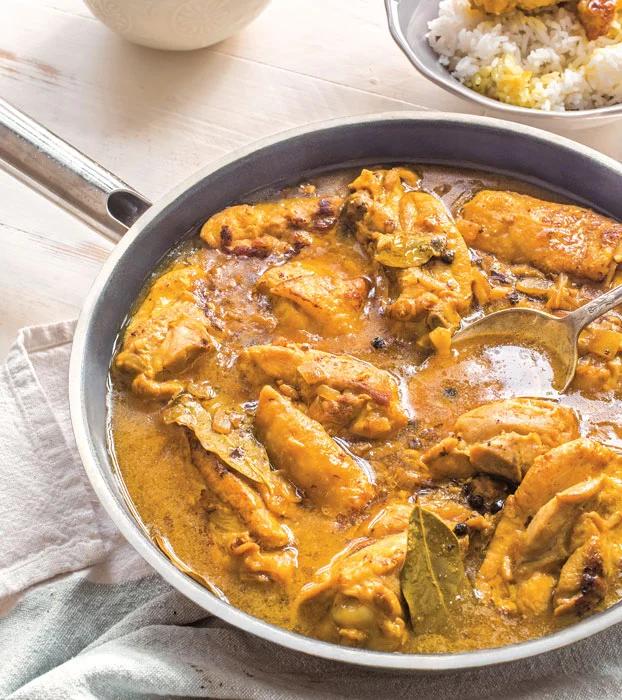
Discover the Golden Side of Filipino Adobo
When people think of Filipino adobo, they often imagine tender pieces of chicken or pork simmered in a dark, savory sauce made with soy sauce, vinegar, garlic, and peppercorns. However, the Philippines has many regional interpretations of this beloved dish. Some use coconut milk, others emphasize vinegar, and one distinctive version gets its beautiful golden color from turmeric.
This dish is called adobong dilaw, also known as adobo sa dilaw or yellow adobo. Instead of relying on the familiar dark color of soy sauce, it uses turmeric, locally known as luyang dilaw, to create a vibrant yellow sauce and an earthy, aromatic flavor.
Adobong dilaw is commonly associated with Batangas, particularly the town of Taal, although versions and adaptations are also found in neighboring Cavite and elsewhere. Its identity comes from a combination of familiar Filipino cooking techniques and a distinctive ingredient that sets it apart from many other adobo recipes.
Food publications have documented Batangas-style versions that use chicken, fresh turmeric, garlic, vinegar, peppercorns, and fish sauce or salt. Some recipes produce a relatively dry finish, while others leave more sauce for spooning over rice. These differences reflect how regional food traditions evolve as recipes pass between households. Read a Batangas-style recipe from Pepper.ph.
Whether you are discovering this dish for the first time or looking for another way to prepare a familiar Filipino favorite, adobong dilaw offers a delicious change of pace. It is tangy, savory, aromatic, and wonderfully comforting when served with freshly cooked rice.
What Is Adobong Dilaw?
Adobong dilaw is a Filipino adobo variation distinguished by its use of turmeric. The word dilaw means “yellow” in Filipino, referring to the color that turmeric gives the meat and cooking liquid.
Like other adobo dishes, it typically combines meat with vinegar, garlic, and seasonings before simmering everything until tender. However, many versions do not use soy sauce, allowing the golden turmeric and the natural color of the other ingredients to remain prominent.
Depending on the household recipe, the dish may include:
- Chicken or pork
- Fresh turmeric or ground turmeric powder
- Garlic and onion
- Cane vinegar or another suitable vinegar
- Fish sauce or salt
- Black peppercorns
- Bay leaves
- Water or broth
- Optional green chilies
The resulting dish has a flavor profile that differs from the usual soy-based adobo. Vinegar contributes a bright sourness, garlic provides savory depth, and turmeric brings a warm, earthy aroma. Fish sauce or salt enhances the overall flavor without turning the sauce dark.
There is no single recipe followed by every Filipino household. Some cooks use only a handful of ingredients, while others add onion, bay leaves, chilies, or additional seasonings. Some prefer chicken, while others prepare adobong dilaw with pork.
The important characteristics are the adobo-style cooking method and the distinctive golden color provided by turmeric.
The History and Regional Roots of Adobong Dilaw
A dish associated with Batangas
Adobong dilaw is strongly associated with Batangas, a province in the CALABARZON region of Luzon. In particular, Taal is frequently mentioned in accounts of the dish’s regional history.
A 2015 article by food writer Elizabeth Ann Quirino describes a version connected to Maria Agoncillo Aguinaldo, who was from Taal, Batangas, and brought the dish to the Aguinaldo household in Cavite. Other culinary accounts also describe the movement of Batangas cooking traditions into Cavite, where local preferences helped shape a saucier version.
These accounts offer an interesting example of how recipes travel with families, marriages, migration, and everyday life. A dish may become associated with one place while developing recognizable local variations in another.
For further reading, see Positively Filipino’s historical account of adobong dilaw and PeopleAsia’s discussion of Caviteño cooking.
Although Batangas is the best-known regional association in many food accounts, it is better not to claim that every version originated in one household or that the dish has only one authentic form. Food traditions develop over time, and family recipes do not always have a fully documented history.
Why turmeric matters
Turmeric is the defining ingredient of adobong dilaw. Its bright yellow-orange pigment colors the cooking liquid, meat, and oil. Its earthy, slightly peppery taste also gives the dish a character distinct from conventional soy sauce-based adobo.
Fresh turmeric root can be sliced, chopped, crushed, or grated before cooking. Ground turmeric powder is a convenient alternative, particularly when fresh turmeric is unavailable.
Fresh turmeric often has a lively aroma and can provide a more noticeable root flavor. Powdered turmeric is easier to measure and store, although its flavor may differ depending on freshness and quality.
Turmeric stains easily, so cooks may wish to wear gloves when preparing fresh root and use a cutting board that can tolerate yellow staining.
How adobong dilaw differs across households
Batangas-style recipes are sometimes described as drier, with the sauce reduced until it coats the meat. In neighboring Cavite, some versions retain more sauce.
Other household differences include the choice of meat, the amount of vinegar, whether the turmeric is fresh or powdered, and whether the cook uses fish sauce or salt.
These are not necessarily signs that one recipe is incorrect. They are examples of how a shared dish can reflect the ingredients, preferences, and cooking habits of a particular family or community.
What Does Adobong Dilaw Taste Like?
Adobong dilaw is savory and tangy, with an earthy aroma from the turmeric. Its flavor can be more direct than a typical dark adobo because many versions do not include soy sauce.
The vinegar provides acidity, while garlic and black pepper add familiar adobo flavors. Fish sauce contributes a deeper savory quality, and the turmeric gives the sauce its distinctive color and aroma.
The taste depends on the balance of ingredients. Too much turmeric can create an overpowering earthy or bitter note. Too much vinegar can make the dish sharply sour, especially if the cooking liquid has not had enough time to simmer and mellow.
When prepared well, the flavors complement each other rather than competing. The meat becomes tender, the sauce develops a rich aroma, and the golden cooking liquid pairs beautifully with plain steamed rice.
Traditional-Style Chicken Adobong Dilaw Recipe
This home-cooking recipe uses common ingredients and a straightforward stovetop method. It is inspired by documented Batangas-style preparations but is not intended to represent every local or family recipe.
Preparation time: 15 minutes
Cooking time: 40–55 minutes
Servings: 4
Difficulty: Easy to moderate
Ingredients
- 1 kg chicken pieces, preferably bone-in thighs and drumsticks
- 1 tablespoon cooking oil
- 8 cloves garlic, lightly crushed or chopped
- 1 medium onion, sliced (optional)
- 1 thumb-sized piece of fresh turmeric, peeled and thinly sliced, or 1–2 teaspoons ground turmeric
- ½ cup cane vinegar or white vinegar
- 1 cup water, adding more if needed
- 1 tablespoon fish sauce, or salt to taste
- 1 teaspoon whole black peppercorns
- 2 bay leaves
- Salt and ground black pepper, as needed
- 1–2 long green chilies, optional
- Steamed white rice, for serving
Step 1: Prepare the ingredients
Wash and prepare the garlic, onion, and turmeric. Cut the chicken into serving portions if it has not already been prepared.
If you are using fresh turmeric, slice it thinly or chop it finely to help release its flavor. Remember that fresh turmeric can stain hands, clothing, utensils, and cutting boards.
Pat the chicken dry with clean paper towels if you want it to brown more easily. Keep raw chicken and its utensils separate from ready-to-eat food, and wash your hands after handling it.
Step 2: Sauté the aromatics
Heat the cooking oil in a heavy pot over medium heat.
Add the garlic and optional onion. Sauté until fragrant and the onion begins to soften. Avoid burning the garlic, because burnt garlic can give the finished dish a bitter taste.
Add the fresh turmeric and stir for about a minute. If using turmeric powder, add it carefully and stir until it is evenly distributed through the oil and aromatics.
The oil will begin to take on a golden color.
Step 3: Add and brown the chicken
Add the chicken pieces to the pot. Turn them so they are coated in the turmeric, garlic, and onion mixture.
Cook for several minutes, turning as needed, until the outside of the chicken loses its raw appearance and develops a little color.
The purpose of this step is to build flavor. The chicken does not need to be fully cooked at this stage because it will finish cooking in the simmering liquid.
Step 4: Add the seasonings
Add the fish sauce, black peppercorns, and bay leaves.
Pour in the vinegar and water. Avoid adding too much salt at the beginning if you are using fish sauce, because the liquid will reduce as the dish cooks.
Bring the mixture to a boil. Allow it to boil briefly before stirring, a technique commonly used in some Filipino adobo recipes. Then lower the heat to maintain a gentle simmer.
Step 5: Simmer until tender
Cover the pot and simmer for approximately 30–40 minutes, turning the chicken occasionally and checking the liquid level.
Cooking time will depend on the size of the chicken pieces and the heat of your stove. Add a little water if the pot becomes too dry before the chicken is tender.
The chicken must be fully cooked. For food safety, check that its thickest part reaches an internal temperature of 74°C (165°F).
As the chicken simmers, the turmeric, garlic, pepper, and vinegar combine to create the characteristic golden adobo sauce.
Step 6: Reduce the sauce
Once the chicken is tender and fully cooked, remove the lid.
Allow the liquid to simmer for another 5–15 minutes, depending on how much sauce you want. Turn the chicken occasionally so the pieces absorb the seasoning evenly.
For a drier Batangas-inspired finish, reduce the liquid until it lightly coats the meat. For a saucier version, stop while enough flavorful liquid remains to spoon over rice.
Taste the sauce and adjust the seasoning with salt, fish sauce, or a small amount of water as necessary.
Step 7: Serve and enjoy
Remove the bay leaves before serving. Transfer the chicken to a serving dish and spoon the golden sauce over it.
Serve hot with steamed white rice. A simple side of sautéed vegetables or fresh sliced tomatoes can help balance the richness of the meal.
The finished dish should have a noticeable golden color, tender chicken, a savory aroma, and a pleasant balance of sourness and earthy turmeric flavor.
Pork Adobong Dilaw: Another Delicious Variation
Chicken is a convenient choice, but pork is also used in adobong dilaw recipes. Pork belly and pork shoulder are suitable options because their texture and fat content work well with slow simmering.
To prepare a pork version, replace the chicken with approximately 1 kg of pork cut into serving-sized cubes. Follow the same general method, allowing extra time for the meat to become tender.
Depending on the cut and size of the pieces, pork may need around 45–75 minutes or longer to become tender. Add water as necessary and simmer gently rather than allowing the pot to dry out too quickly.
Pork belly creates a richer dish because of its fat content. Pork shoulder provides a meaty texture and can be a practical alternative. Trim excess fat if you prefer a less rich result.
The same flavor principles apply: turmeric provides the color, vinegar gives acidity, garlic builds aroma, and salt or fish sauce brings out the savory taste.
Tips for Making Better Adobong Dilaw
Use fresh turmeric when available
Fresh turmeric gives the dish a distinctive root aroma. If you use powdered turmeric, start with a modest quantity and increase it only if needed.
Do not overdo the turmeric
More turmeric does not automatically mean better flavor. Too much can make the sauce taste bitter or dusty. Begin with the recommended amount and adjust to your preference on your next attempt.
Choose a vinegar you enjoy
Cane vinegar is a good option for a Filipino-style flavor. White vinegar is also practical and widely available. Different vinegars have different levels of acidity, so the finished dish may need slight adjustments.
Allow the sauce to reduce gradually
Reducing the sauce concentrates the flavor. Keep the heat moderate once the chicken is tender so the liquid does not evaporate too quickly or burn at the bottom of the pot.
Adjust the texture to your preference
Some cooks prefer a nearly dry adobo, while others want plenty of sauce. Both approaches can be delicious. Decide how you want to serve it and adjust the final simmer accordingly.
Balance the seasoning at the end
The sauce becomes more concentrated as it reduces. Taste before adding extra salt or fish sauce, and remember that vinegar’s sharpness may soften during cooking.
Common Mistakes to Avoid
Using too much turmeric: Excess turmeric can overwhelm the garlic and vinegar. Measure carefully, especially when using powder.
Adding too much liquid: Excess water can leave the dish bland and watery. Add only enough to simmer the meat safely and tenderize it, then reduce the sauce as desired.
Cooking at too high a temperature: A rapid boil can evaporate the liquid before the meat becomes tender. A steady simmer gives the flavors time to develop.
Under-seasoning the sauce: Because many versions omit soy sauce, cooks may need to pay attention to the amount of salt or fish sauce. Season gradually and taste near the end.
Expecting the dish to taste exactly like dark adobo: Adobong dilaw has a different flavor profile. The turmeric is meant to be noticeable, and the absence of soy sauce in many recipes creates a brighter, more earthy taste.
What to Serve with Adobong Dilaw
Steamed white rice is the classic accompaniment. Its mild flavor allows the tangy, savory golden sauce to stand out.
You can also serve adobong dilaw with:
- Garlic fried rice for a more substantial meal
- Sautéed kangkong or other leafy vegetables
- Steamed okra or green beans
- Fresh tomato slices
- Sliced cucumber for a refreshing contrast
For a family-style meal, place the chicken and sauce in the center of the table with a bowl of rice and a vegetable side dish. The dish is satisfying without requiring elaborate accompaniments.
Leftovers can be refrigerated promptly in a covered container and generally used within 3–4 days. Reheat thoroughly until hot throughout. Do not leave cooked chicken sitting at room temperature for extended periods.
Is Adobong Dilaw Different from Regular Filipino Adobo?
Yes. Both dishes use the adobo cooking approach, but their seasoning and appearance can be different.
Traditional soy sauce-based adobo is often dark brown, savory, and salty, with a sour note from vinegar. Adobong dilaw commonly uses turmeric instead of soy sauce, resulting in a golden color and an earthy flavor.
The two dishes can share garlic, peppercorns, vinegar, and meat, but the exact ingredient combinations vary from recipe to recipe.
Neither version is the only correct Filipino adobo. The diversity of adobo is part of what makes the dish such an important and adaptable part of Filipino cooking.
Frequently Asked Questions About Adobong Dilaw
1. What does adobong dilaw mean in English?
Adobong dilaw translates approximately to “yellow adobo.” The name refers to the golden color produced by turmeric, known in Filipino as luyang dilaw.
2. Where did adobong dilaw originate?
Adobong dilaw is commonly associated with Batangas, particularly Taal. Food histories also describe its spread into neighboring Cavite, where some cooks prepare a saucier version. Regional food traditions can have complex histories, so it is best to describe Batangas as a well-established association rather than claim that every version has one definitive origin.
3. Does adobong dilaw use soy sauce?
Many traditional-style recipes omit soy sauce so that turmeric remains the main source of color and the flavor stays distinct. However, family recipes can differ, and there is no single standardized formula followed throughout the country.
4. Can I use turmeric powder instead of fresh turmeric?
Yes. Turmeric powder is a practical substitute for fresh root. Start with about 1–2 teaspoons for 1 kg of chicken, then adjust based on its strength and your taste.
5. Can adobong dilaw be made with pork?
Yes. Pork belly and pork shoulder are both suitable. Pork usually requires a longer simmer than smaller chicken pieces, so cook until the meat is tender and add water when necessary.
6. Is adobong dilaw spicy?
Not necessarily. Turmeric provides an earthy flavor rather than the heat associated with chili peppers. You can add long green chilies or another chili variety if you prefer a spicy version.
7. Why is my adobong dilaw bitter?
Too much turmeric, burnt garlic, or excessive cooking that causes the sauce to scorch can contribute bitterness. Use a moderate amount of turmeric, sauté the aromatics carefully, and maintain enough liquid while simmering.
8. Should adobong dilaw be dry or saucy?
Both styles exist. Some Batangas-inspired recipes reduce the sauce until it coats the meat, while some Cavite versions retain more liquid. Choose the consistency you enjoy.
9. Can I prepare adobong dilaw ahead of time?
Yes. It can be prepared ahead and refrigerated after cooking. Reheat it thoroughly before serving. As with many stewed dishes, the flavors may meld during storage, although the texture and sauce can change slightly.
10. What makes adobong dilaw different from adobo sa gata?
Adobong dilaw is defined by turmeric and its golden color. Adobo sa gata is characterized by coconut milk or coconut cream, which creates a richer, creamier sauce. Some recipes may combine additional ingredients, but the defining features of the two variations are different.
Conclusion: A Golden Expression of Filipino Food Culture
Adobong dilaw demonstrates how one familiar cooking tradition can produce a very different dish through a single defining ingredient. Turmeric gives this Filipino adobo its golden appearance, earthy aroma, and distinctive character, while vinegar, garlic, and seasonings preserve its connection to the wider adobo family.
Its association with Batangas and its presence in neighboring Cavite also show how recipes move between communities and become part of local food identities. Differences in sauce consistency, meat, and seasoning are reminders that Filipino cuisine is shaped by regional ingredients and family traditions.
If you already love classic chicken adobo, this golden version is a wonderful recipe to explore. Serve it with steamed rice, prepare it for a family meal, and enjoy another example of the variety found in Filipino cooking.
Adobong dilaw is more than a colorful alternative to dark adobo. It is a comforting regional dish that deserves a place in any exploration of the many ways Filipinos prepare their beloved adobo.
References and Further Reading
- Pepper.ph — Batangas Adobo sa Dilaw (Turmeric Chicken Adobo) — A Batangas-style recipe and discussion of its family cooking tradition.
- Positively Filipino — Adobong Dilaw: A Timeless Recipe — An account connecting the dish with Taal, Batangas, and its movement into Cavite.
- PeopleAsia — Hearty Servings of Caviteño Cooking — Background on Cavite cooking and local adaptations of adobong dilaw.
- Positively Filipino — Adobong Dilaw (Adobo with Turmeric) — An additional published recipe for the dish.
Editorial note: Recipes and regional descriptions in this article are presented as documented examples, not as proof that every household in Batangas or Cavite cooks the dish identically. The recipe above is an original, practical adaptation for home cooking.