Adobo sa Gata: The Creamy Coconut Milk Version of Filipino Adobo
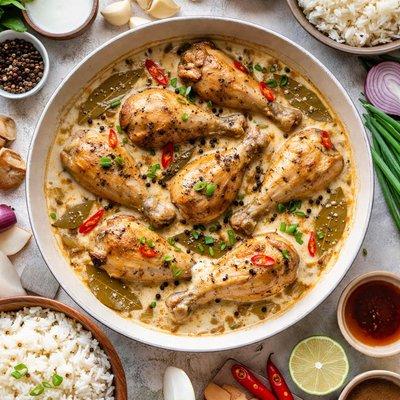
When Filipino Adobo Meets Creamy Coconut Milk
Imagine a pot of Filipino chicken adobo simmering gently on the stove. The familiar aroma of garlic, vinegar, and black pepper fills the kitchen. Then coconut milk is added, transforming the sauce into something richer, creamier, and more indulgent.
This is adobo sa gata, a beloved variation of Filipino adobo that combines the familiar savory and tangy flavors of adobo with the smooth richness of coconut milk.
The word gata means coconut milk in Filipino. When it becomes part of an adobo recipe, it creates a distinctive sauce that coats the meat and brings together several contrasting flavors. The vinegar contributes acidity, the garlic provides fragrance, and the coconut milk softens the sharpness while adding body to the dish.
Depending on the recipe, adobo sa gata can be mild and creamy or rich and spicy. Some cooks use chicken, others prefer pork, and some adapt the method to ingredients available in their communities. Chili peppers may be added for heat, while the proportions of vinegar, soy sauce, and coconut milk differ according to personal preference.
Adobo sa gata is particularly associated with Bicolano cooking, where coconut milk is an important ingredient in many savory dishes. The National Commission for Culture and the Arts describes the use of coconut milk in Bicolano vegetable and meat preparations, including adobo. The region’s culinary traditions also include well-known dishes such as laing, pinangat, and Bicol Express.
However, coconut-milk adobo should not be treated as a recipe exclusive to one province or community. Filipino cooks throughout the country have adapted familiar dishes to local ingredients and tastes.
What makes adobo sa gata especially appealing is that it brings two important features of Filipino cooking together: the bold acidity of vinegar-based adobo and the creamy richness of coconut-based dishes.
Whether you are a longtime fan of Filipino food or trying adobo for the first time, this variation offers a delicious way to explore the diversity of Philippine cuisine.
What Is Adobo sa Gata?
Adobo sa gata is a Filipino dish that combines the familiar adobo cooking method with coconut milk or coconut cream.
Traditional adobo commonly uses meat cooked with vinegar, garlic, salt or soy sauce, and other seasonings. In adobo sa gata, coconut milk is added during the cooking process or toward the later stages, depending on the recipe.
The result is a dish with a richer sauce than many conventional adobo preparations.
Chicken and pork are popular choices. Chicken absorbs the seasoning well and produces a relatively light dish, while pork belly contributes richness through its rendered fat. Some cooks use additional ingredients, such as onions, ginger, or chili peppers, to create their preferred flavor.
Although the exact method varies, a common approach involves simmering the meat with vinegar, garlic, and seasonings before adding coconut milk. The mixture is then gently cooked until the meat is tender and the sauce develops a creamy consistency.
Coconut milk does not eliminate the defining role of vinegar. Instead, it changes the balance of the dish, creating a sauce in which acidity, saltiness, and richness complement one another.
The finished sauce can range from pale golden to light brown or deeper brown, depending on the amount of soy sauce, the degree of browning, and the cooking time.
Some versions are deliberately spicy, while others emphasize the coconut flavor and use little or no chili.
In short, adobo sa gata is not simply ordinary adobo with a random extra ingredient. It is an adaptable preparation in which coconut milk becomes an important part of the dish’s texture and flavor.
The Connection Between Adobo sa Gata and Bicolano Cuisine
Why coconut milk matters in Bicol
The Bicol Region, located in southeastern Luzon, is well known for culinary traditions that make generous use of coconut milk and chili peppers.
Coconuts are an important agricultural product in parts of the region, and coconut-based cooking is deeply established in local food culture. These ingredients appear in vegetable dishes, meat preparations, and seafood recipes.
The National Commission for Culture and the Arts notes that coconut and abaca are important crops in Bicol and describes coconut milk as a familiar feature of local cooking. Its cultural overview also mentions meat preparations, including adobo, among the region’s food traditions.
Source: National Commission for Culture and the Arts — The Bicolanos
This background helps explain why adding gata to adobo makes culinary sense in Bicol. Rather than treating coconut milk as an unusual addition, cooks can draw on an ingredient that already plays an important role in their everyday cooking.
Nevertheless, Bicolano cuisine is diverse. Not every Bicolano dish is spicy, not every household uses the same amount of coconut milk, and individual families maintain their own recipes.
Coconut milk and chili: A familiar Bicolano combination
Two ingredients frequently associated with Bicolano food are gata and sili, or coconut milk and chili.
The combination appears in dishes such as Bicol Express, a pork preparation cooked with coconut milk and chili, as well as laing, which commonly features taro leaves simmered in a coconut-based sauce.
Pinangat is another familiar example, often involving taro leaves, a savory filling, and coconut milk.
These dishes are not the same as adobo sa gata, but they illustrate the broader culinary context in which coconut milk and chili can work together.
Coconut milk contributes richness and a gentle sweetness, while chili supplies heat. Garlic, vinegar, and other seasonings create additional layers of flavor.
For adobo sa gata, the result is a satisfying contrast: the coconut milk softens the acidity of the vinegar without completely hiding it.
Sources: Naga City Tourism — Iconic Bicolano Recipes and National Nutrition Council — What Makes an Adobo Dish an Adobo?
Is adobo sa gata originally from Bicol?
Adobo sa gata is commonly associated with Bicolano cuisine, and the region provides a strong cultural context for understanding the combination of adobo seasonings and coconut milk.
However, it is important to distinguish a strong regional association from a proven exclusive origin.
Recipes travel with families, adapt to local ingredients, and change over time. Coconut-milk adobo is prepared in different households and appears in recipes intended for a national audience.
Without stronger historical evidence, it would be inaccurate to claim that every version originated in one specific town or that only Bicolanos prepare it.
A more careful description is that adobo sa gata is a recognized Filipino variation with a particularly strong connection to Bicol’s coconut-based cooking traditions.
The Main Ingredients of Adobo sa Gata
The beauty of adobo sa gata lies in the way a small number of ingredients combine to create a flavorful sauce.
1. Chicken or pork
Chicken is an accessible and popular option. Bone-in thighs and drumsticks are particularly suitable because they retain moisture during simmering.
Pork belly creates a richer result, as its fat contributes body to the sauce. Pork shoulder is another option for cooks who prefer a balance of meat and fat.
The cooking time depends on the cut, the size of the pieces, and the cooking method.
2. Coconut milk
Coconut milk gives the dish its characteristic creaminess.
It is produced from grated coconut flesh mixed with water and extracted to create a white liquid. Commercial coconut milk is convenient for home cooking, although thickness and fat content vary by brand.
Coconut cream is thicker and richer than ordinary coconut milk. Some recipes use a combination of the two, while others use only coconut milk.
The choice affects the final texture. A richer coconut product can produce a thicker sauce, while thinner coconut milk may create a lighter consistency.
3. Vinegar
Vinegar provides the characteristic tang of adobo.
Coconut vinegar and cane vinegar are familiar choices in Filipino cooking. Their flavor and acidity can differ, so the amount may need adjustment.
The vinegar should complement the coconut milk rather than overwhelm it. The goal is to preserve the dish’s recognizable adobo flavor while allowing the coconut sauce to contribute richness.
4. Garlic
Garlic contributes fragrance and depth. Many recipes use several cloves, while some cooks prefer a whole head for a stronger garlic flavor.
Lightly crushed garlic is useful because it releases its aroma during simmering.
5. Soy sauce
Soy sauce is common in many versions of adobo sa gata, adding saltiness and a deeper color.
However, not every recipe requires it. Some cooks use salt or fish sauce instead, while others prefer a lighter sauce.
The amount of soy sauce should be balanced with the saltiness of other ingredients.
6. Black peppercorns and bay leaves
Whole black peppercorns contribute warmth, while bay leaves provide a subtle herbal aroma.
Both are familiar seasonings in many Filipino adobo recipes. Their use and quantities can be adjusted to personal taste.
7. Chili peppers
Chili is optional, but it is a common addition in spicy versions of adobo sa gata.
Siling labuyo, the small bird’s-eye chili used in Filipino cooking, can provide substantial heat. Other chili varieties may produce a milder result.
Begin with a small amount if you are unfamiliar with the chili’s strength. You can always add more heat, but it is difficult to remove once it has entered the sauce.
8. Water and cooking oil
Water helps the meat simmer until tender before the sauce is reduced.
Cooking oil can be used to brown the meat and sauté the garlic. Fat rendered from pork may reduce the need for additional oil.
Adobo sa Gata Recipe: Creamy Filipino Chicken Adobo
This recipe combines chicken, vinegar, soy sauce, garlic, and coconut milk for a creamy, savory dish. Chili is optional, allowing you to prepare a mild family-friendly version or a spicier variation.
Preparation time: 15 minutes
Cooking time: 40–55 minutes
Servings: 4–6
Ingredients
- 1 kilogram chicken thighs and drumsticks
- 1 cup coconut milk
- 1/2 cup water
- 1/4 cup cane vinegar or coconut vinegar
- 1/4 cup soy sauce
- 8–10 cloves garlic, lightly crushed
- 1 teaspoon whole black peppercorns
- 2 bay leaves
- 1 tablespoon cooking oil
- 1–3 siling labuyo or other chili peppers, optional
- Salt, if needed
- Steamed white rice, for serving
This is a practical home recipe rather than a single definitive regional formula. Adjust the coconut milk, vinegar, and chili to suit your taste.
Step 1: Prepare the chicken
Pat the chicken dry with clean paper towels.
If you have time, combine the chicken with the soy sauce and garlic in a bowl and refrigerate for 20–30 minutes. This step is optional but allows the surface of the meat to absorb some seasoning.
Keep raw chicken refrigerated during marinating, and do not reuse raw marinade as a finishing sauce unless it is thoroughly cooked.
Step 2: Brown the chicken
Heat the cooking oil in a heavy-bottomed pot over medium heat.
Brown the chicken in batches, turning the pieces so that they develop color on several sides. Avoid crowding the pot.
Browning is not essential to every adobo recipe, but it adds flavor and gives the finished dish a more complex appearance.
Transfer the browned chicken to a plate while preparing the sauce, if necessary.
Step 3: Add the vinegar and seasonings
Return the chicken to the pot.
Add the vinegar, water, reserved soy sauce and garlic if marinating, black peppercorns, and bay leaves.
Bring the liquid to a boil, then reduce the heat to maintain a gentle simmer.
Allow the chicken to cook for approximately 15–20 minutes before adding the coconut milk, depending on the size of the pieces. This gives the meat time to begin cooking and allows the vinegar and seasonings to develop their flavor.
Step 4: Add the coconut milk
Pour in the coconut milk and stir gently to distribute it through the cooking liquid.
Add the chili peppers if you want a spicy version. For less heat, leave them whole or omit them entirely.
Lower the heat and continue simmering until the chicken is tender and reaches an internal temperature of 165°F (74°C) at the thickest part.
Avoid a vigorous boil after adding the coconut milk. Gentle simmering helps maintain a smooth sauce and reduces the risk of the mixture separating.
Step 5: Develop the sauce
Allow the dish to simmer uncovered for several minutes if you want a thicker sauce.
Stir occasionally and check the bottom of the pot to prevent sticking. If the liquid becomes too thick before the chicken is tender, add a small amount of water.
The finished sauce should be creamy and able to coat the chicken without completely losing its tangy adobo character.
Step 6: Adjust the seasoning
Taste the sauce before serving.
If it tastes too rich, a small amount of vinegar can restore brightness. If it is too sharp, further gentle simmering may help mellow the flavor. Add salt only if necessary because the soy sauce already contributes saltiness.
Make adjustments gradually to preserve the balance between coconut milk, vinegar, and savory seasoning.
Step 7: Serve with steamed rice
Transfer the chicken to a serving dish and spoon the coconut sauce over the top.
Serve immediately with steamed white rice. The rice absorbs the creamy sauce and complements the combination of savory, tangy, and mildly sweet flavors.
For a complete meal, add sautéed vegetables or a simple fresh side dish.
How to Make Adobo sa Gata with Pork
Pork adobo sa gata offers a richer alternative to chicken.
Pork belly is a popular choice because its fat contributes a silky texture to the sauce. Pork shoulder can also work well.
To prepare a pork version, replace the chicken with approximately one kilogram of pork cut into similar-sized pieces. Brown the meat, add the vinegar, soy sauce, garlic, peppercorns, bay leaves, and enough water to simmer it until tender.
Depending on the cut and size, the pork may need around 45–75 minutes or longer to become tender.
Once the pork is nearly ready, add the coconut milk and simmer gently until the sauce thickens and the flavors combine.
If the sauce becomes excessively oily, skim some of the surface fat before serving. Pork belly can release a considerable amount of fat, especially when cooked for a long time.
The result is a hearty dish with a creamy sauce that pairs well with steamed rice.
Mild or Spicy? Choosing Your Adobo sa Gata Style
One of the most appealing features of adobo sa gata is its flexibility.
Mild and creamy
For a mild version, omit the chili and allow the coconut milk to play a prominent role. This approach works well for people who enjoy rich sauces but prefer little heat.
Gently spicy
Add one or two small chili peppers during the simmering process. The sauce will develop warmth without necessarily becoming overwhelmingly hot.
Bold and spicy
For a hotter version, increase the amount of chili gradually. Siling labuyo can be very hot, so use caution when handling and cutting it.
Wash your hands after preparing fresh chili and avoid touching your eyes.
Rich coconut cream
For a thicker, more luxurious sauce, replace part of the coconut milk with coconut cream. Because coconut cream is richer, you may need to adjust the water and seasoning to keep the dish balanced.
These approaches are adaptations rather than strict rules. The preferred level of heat and richness varies between households.
What Makes Adobo sa Gata Different from Bicol Express?
Adobo sa gata and Bicol Express can both feature coconut milk, pork, and chili, but they are different dishes.
Adobo sa gata retains the basic flavor structure of adobo, especially the combination of vinegar, garlic, and seasoned meat.
Bicol Express is a separate pork dish commonly associated with coconut milk, chili, and shrimp paste, although recipes vary. It is generally known for its rich, spicy, and savory character.
The dishes can share ingredients without being interchangeable.
This distinction matters when documenting Filipino food traditions. Similar ingredients often appear in several dishes, but the combination, preparation method, and culinary context help distinguish them.
For more information about Bicolano specialties, see Naga City Tourism’s guide to iconic Bicolano recipes.
Common Mistakes When Cooking Adobo sa Gata
Adding the coconut milk too early
Coconut milk can be simmered for an extended period, but adding it after the meat has begun to cook can make it easier to control the sauce’s texture.
A prolonged, vigorous boil may cause the coconut mixture to separate or become oily.
Using too much vinegar
Vinegar is essential to the familiar adobo flavor, but too much can overpower the coconut milk.
Start with the recipe quantity and adjust toward the end.
Making the dish too salty
Soy sauce, fish sauce, and commercial seasonings all contribute salt. Avoid adding extra salt until you have tasted the finished sauce.
Cooking over excessive heat
A gentle simmer helps the chicken or pork become tender while keeping the coconut sauce smooth.
High heat can cause excessive evaporation, sticking, or separation.
Adding too much chili
The heat of fresh chili varies. Start with a small amount, particularly when serving people who are not accustomed to spicy food.
Expecting every version to taste the same
Adobo sa gata is not governed by one universally standardized recipe. Different coconut products, cuts of meat, seasonings, and cooking techniques produce different results.
Is Adobo sa Gata Healthy?
The nutritional profile depends on the ingredients, portion size, and preparation method.
Chicken provides protein, while coconut milk contributes fat and calories. Pork belly generally contains more fat than leaner cuts of pork or skinless chicken.
Coconut milk can make the dish energy-dense, especially when large quantities of coconut cream or fatty meat are used.
Readers who want a lighter meal can consider using skinless chicken, reducing the amount of coconut milk, choosing a leaner cut of meat, and serving the dish with vegetables.
However, reducing coconut milk changes the texture and richness. There is no need to assume that one version is universally healthier for everyone.
People managing specific dietary requirements should consider the full recipe, including the amount of soy sauce, salt, cooking oil, and coconut milk.
The National Nutrition Council discusses adobo sa gata and its nutritional considerations in its overview of Filipino adobo variations.
Source: National Nutrition Council — What Makes an Adobo Dish an Adobo?
Frequently Asked Questions About Adobo sa Gata
What does adobo sa gata mean?
Adobo sa gata means adobo cooked with coconut milk. The term gata refers to coconut milk in Filipino.
Is adobo sa gata a Bicolano dish?
It is strongly associated with Bicolano cuisine because coconut milk is an important ingredient in the region’s cooking traditions. However, it should not be described as exclusive to Bicol without evidence of a specific local origin.
Does adobo sa gata have to be spicy?
No. Chili is optional. Some versions are spicy, while others focus on the creamy coconut sauce and familiar adobo seasonings.
Can I use coconut cream instead of coconut milk?
Yes. Coconut cream is thicker and richer, so it can produce a more concentrated sauce. You may need to adjust the water and seasoning.
Can adobo sa gata be made without soy sauce?
Yes. Soy sauce is common but not compulsory. Salt or other seasonings can be used instead, although they will produce a different flavor profile.
Should I add coconut milk before or after the vinegar?
Recipes differ. A practical approach is to begin cooking the meat with vinegar and seasonings, then add coconut milk and simmer gently until the meat is tender. This helps preserve the recognizable adobo flavor while developing the creamy sauce.
Can I use pork instead of chicken?
Absolutely. Pork belly and pork shoulder both work well. Pork generally requires a longer cooking time than chicken, depending on the cut and the size of the pieces.
What should I serve with adobo sa gata?
Steamed white rice is the classic accompaniment. Sautéed vegetables or a fresh side dish can balance the richness of the coconut sauce.
How should I store leftovers?
Refrigerate leftovers promptly in a covered container and use them within three to four days. Reheat thoroughly before serving. Do not leave cooked meat or coconut-based sauces at room temperature for extended periods.
Conclusion: A Creamy Chapter in the Story of Filipino Adobo
Adobo sa gata demonstrates how Filipino cooks can transform a familiar dish while preserving its recognizable character.
The vinegar and garlic maintain the foundation of adobo, while coconut milk creates a richer texture and a softer balance of flavors. Chili can add heat, and different cuts of meat offer their own textures and levels of richness.
Its strong association with Bicolano cooking also illustrates how regional food traditions influence the dishes enjoyed throughout the Philippines. The region’s use of coconut milk provides an important cultural context for understanding this variation, even as individual recipes continue to differ.
There is no single formula that every household must follow. Some cooks prefer a mild, creamy sauce, while others enjoy a more acidic or spicy preparation. Both approaches demonstrate the flexibility of Filipino home cooking.
For readers exploring Filipino cuisine, adobo sa gata is an invitation to look beyond the familiar dark-brown adobo and discover another expression of the country’s rich food heritage.
Every variation tells a slightly different story, and coconut milk adds a memorable chapter to the story of adobo.
Sources and Further Reading
- National Commission for Culture and the Arts. “The Bicolanos.”
https://ncca.gov.ph/about-ncca-3/subcommissions/subcommission-on-cultural-communities-and-traditional-arts-sccta/central-cultural-communities/the-bicolanos/ - National Nutrition Council, Republic of the Philippines. “What Makes an Adobo Dish an Adobo?”
https://nnc.gov.ph/mindanao-region/what-makes-an-adobo-dish-an-adobo/ - Naga City Tourism. “Iconic Bicolano Lenten Recipes.”
https://tourism.naga.gov.ph/iconic-bicolano-lenten-recipes/ - MAGGI Philippines. “Adobong Manok sa Gata Recipe.”
https://www.maggi.ph/recipes/adobong-manok-sa-gata - Maangchi. “Chicken Adobo (Adobo sa Gata).”
https://www.maangchi.com/recipe/adobo-sa-gata
Editorial note: This article describes a practical home recipe and the broader culinary context of adobo sa gata. It does not claim that one ingredient list represents every household or that the dish originated exclusively in one province.
Suggested featured image alt text: Filipino chicken adobo sa gata simmered in creamy coconut milk with garlic, black peppercorns, bay leaves, and red chili, served with steamed white rice.