Smart Travel Tips for a More Enjoyable Philippines Adventure
Introduction
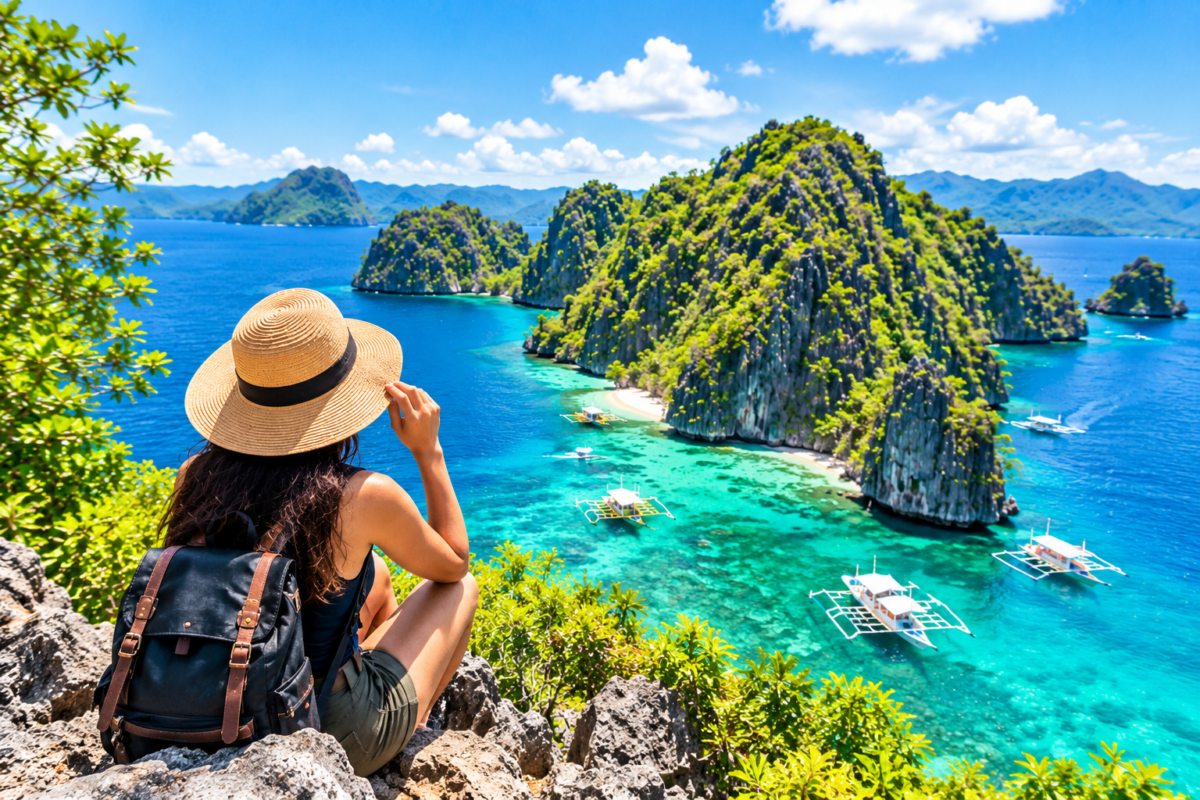
The Philippines is a beautiful tropical destination known for its crystal-clear waters, white-sand beaches, spectacular mountains, colorful festivals, and welcoming communities. With thousands of islands to explore, visitors can enjoy everything from relaxing seaside holidays to exciting outdoor adventures and cultural experiences.
Whether you are visiting for the first time, planning a family vacation, traveling with friends, or exploring the country on a budget, preparing ahead can make your journey more comfortable and enjoyable.
However, traveling around an archipelago also requires some planning. Weather conditions, ferry schedules, transportation options, and travel times can vary significantly between destinations.
In this guide, we will share practical travel tips in the Philippines to help you prepare for your trip, save money, stay safe, and experience more of what this amazing country has to offer.
1. Choose the Best Time to Visit
The Philippines has a tropical climate, which means warm temperatures and occasional heavy rainfall throughout the year. However, weather conditions vary by region and season.
The dry season generally falls between November and May in many parts of the country, while the rainy season commonly occurs from June to October. These are broad patterns rather than guarantees, and some areas experience different weather conditions.
If you are planning to visit beaches, islands, or mountain destinations, check the local forecast before booking activities.
Travel tips:
- Consider the drier months for outdoor activities, while remembering that weather can change.
- Check for tropical storm warnings during the rainy season.
- Allow extra time for ferry trips and domestic flights.
- Book popular destinations and accommodations early during holidays and peak travel periods.
Remember that the best time to visit depends on your destination. Research the specific region you intend to explore instead of relying only on general seasonal information.
2. Plan Your Destinations Before You Travel
The Philippines has more than 7,000 islands, so choosing your destinations carefully can help you avoid unnecessary travel expenses and long journeys.
Some popular destinations include:
- Palawan: Famous for dramatic limestone cliffs, lagoons, and island-hopping adventures.
- Cebu: Offers beaches, waterfalls, historical attractions, and access to nearby islands.
- Bohol: Known for the Chocolate Hills, countryside attractions, and beautiful coastal areas.
- Boracay: Popular for its white-sand beach, sunsets, and water activities.
- Siargao: Known for surfing, island scenery, and a relaxed atmosphere.
- Baguio: A mountain destination with cooler weather, gardens, and local food.
Choose destinations based on your interests, budget, available time, and preferred activities.
If you only have five days, for example, it may be better to explore one region thoroughly rather than spend most of your vacation transferring between distant islands.
3. Prepare for Different Types of Transportation
Transportation is an important part of traveling around the Philippines. Depending on your destination, you may need to use airplanes, buses, ferries, jeepneys, tricycles, taxis, or ride-hailing services.
Domestic flights are useful for traveling between distant islands. Ferries connect many islands and coastal communities, while buses are common for journeys within larger islands.
In cities, traffic congestion can affect travel times, particularly during rush hour.
Helpful transportation tips:
- Compare domestic flight prices and baggage allowances before booking.
- Check ferry schedules through official operators and confirm departures before traveling.
- Use registered taxis or reputable ride-hailing services where available.
- Agree on the fare before taking a tricycle if the price is not clearly displayed.
- Keep some cash available for transportation providers that do not accept digital payments.
- Leave extra time between connecting flights, ferry journeys, and scheduled tours.
Do not assume that two destinations that look close on a map are easy to reach. Mountain roads, ferry connections, and limited transportation schedules can make journeys longer than expected.
4. Pack the Right Clothes and Travel Essentials
Because the Philippines is generally warm and humid, lightweight clothing is useful for most destinations. However, mountain areas, air-conditioned transportation, and rainy weather may require additional layers.
Before leaving home, check the forecast for every destination on your itinerary.
Here are some essentials to consider packing:
- Lightweight shirts, shorts, and comfortable trousers
- Comfortable walking shoes or sandals
- Swimwear and a quick-drying towel
- Sunscreen, sunglasses, and a hat
- Reusable water bottle
- Umbrella or lightweight rain jacket
- Insect repellent
- Personal medications and basic first-aid supplies
- Power bank and charging cables
- Waterproof pouch for your phone and valuables
- Copies of important travel documents
If you plan to hike, visit waterfalls, or explore remote areas, pack appropriate footwear and any necessary equipment.
Avoid bringing too many belongings, especially if your itinerary includes several flights, ferries, or island transfers. A lighter bag makes moving between destinations much easier.
5. Set a Realistic Travel Budget
The Philippines offers travel experiences for different budgets, from affordable guesthouses and local eateries to luxury resorts and private island tours.
Your total expenses will depend on your destination, travel dates, accommodation, transportation, and activities.
When planning your budget, remember to include more than just your hotel and flight costs.
Consider these expenses:
- Accommodation and meals
- Domestic flights and ferry tickets
- Local transportation
- Entrance fees and guided tours
- Island-hopping and water activities
- Travel insurance
- Internet access and mobile data
- Emergency funds
One useful way to save money is to eat at reputable local restaurants and try Filipino dishes such as adobo, sinigang, pancit, and grilled seafood.
You can also compare accommodation options, travel during less busy periods, and book transportation early when suitable fares are available.
However, avoid choosing an unfamiliar tour operator or accommodation solely because it offers the lowest price. Check recent reviews, safety arrangements, and cancellation policies before paying.
6. Respect Filipino Culture and Local Traditions
Filipino hospitality is one of the things many visitors appreciate about the country. People may greet you warmly, offer assistance, or share recommendations about their hometowns.
Showing respect for local customs helps create positive interactions and makes your travel experience more meaningful.
Here are a few simple ways to show respect:
- Greet people politely and use respectful language.
- Dress appropriately when visiting churches and religious sites.
- Ask permission before photographing people, especially children.
- Follow local rules at cultural and historical attractions.
- Avoid littering beaches, waterfalls, and public spaces.
- Respect local communities and their privacy.
- Follow posted instructions when visiting sacred or protected areas.
English is widely used in many tourist destinations, and Filipino and numerous regional languages are spoken throughout the country. Learning simple expressions such as “salamat” (thank you) can be a thoughtful way to connect with local people.
Remember that customs and traditions may differ between communities. Be open-minded, observe local guidance, and ask politely when you are unsure about appropriate behavior.
7. Stay Safe During Your Trip
A memorable vacation should also be a safe one. Although many travelers enjoy exploring the Philippines without problems, it is important to remain aware of your surroundings and take sensible precautions.
Keep your passport, money, phone, and other valuables secure. Avoid displaying large amounts of cash in crowded areas, and use reputable transportation and tour providers.
For outdoor adventures, follow safety instructions and pay attention to local advisories.
Important safety reminders:
- Check weather warnings before traveling by boat or joining island tours.
- Follow lifeguard instructions and beach warning signs.
- Wear appropriate safety equipment during water activities.
- Use licensed guides for challenging hikes and remote excursions.
- Keep emergency contacts and accommodation details accessible.
- Tell someone about your plans when exploring remote areas.
- Purchase suitable travel insurance, especially if you plan to participate in adventure sports.
If an activity is canceled because of dangerous weather, do not pressure an operator to continue. Your safety is more important than completing an itinerary.
Travelers should also check current government travel advisories for their intended destinations, particularly before visiting remote or higher-risk areas.
8. Protect Yourself From the Tropical Sun and Heat
The tropical climate can make outdoor sightseeing tiring, particularly during the hottest part of the day.
Drink water regularly, use sunscreen, wear a hat, and take breaks in shaded or cool areas. Avoid pushing yourself too hard during hikes or other physically demanding activities.
If you are planning a full day of sightseeing, consider scheduling outdoor activities in the morning or later in the afternoon when conditions may be more comfortable.
Bring a refillable water bottle when practical, and choose safe drinking water. If you are unsure whether tap water is safe to drink at your destination, ask your accommodation or use a reliable drinking-water source.
Mosquitoes are also present in many areas. Use an appropriate insect repellent and follow local health guidance, especially if you will be visiting rural or tropical destinations.
9. Stay Connected and Keep Important Documents Safe
Mobile internet is available in many populated areas and tourist destinations, but coverage and connection speeds can vary, particularly on remote islands and in mountainous locations.
Before traveling, consider buying a local SIM or eSIM that suits your phone and data needs.
Download offline maps, save your hotel address, and keep copies of your travel bookings. This can be especially helpful when mobile coverage is limited.
For international visitors, check passport validity, visa requirements, permitted length of stay, and any applicable entry requirements before departure. Requirements depend on your nationality and circumstances, so consult official Philippine government or embassy sources.
Keep digital copies of important documents in a secure location, but do not rely on your phone alone. Maintain access to essential booking information if your battery runs out or your device is lost.
10. Explore Beyond the Famous Tourist Spots
Popular destinations are worth visiting, but some of the most memorable travel experiences happen when you take time to discover local communities and lesser-known attractions.
You might explore a public market, visit a heritage town, try regional specialties, join a community-led tour, or spend time in a small coastal village.
For example, visitors to Cebu can combine historical sightseeing with countryside adventures. Travelers in Bohol can explore local communities alongside famous natural attractions. In northern Luzon, mountain scenery and traditional communities offer a different experience from the country’s tropical beaches.
Before visiting less-developed areas, research transportation, accommodation, accessibility, and available facilities. Remote destinations may have fewer ATMs, medical services, and transportation options.
Choose responsible tour operators, respect local rules, and support businesses that treat workers fairly and help protect the environment.
11. Travel Responsibly and Protect the Environment
The Philippines is home to valuable coral reefs, mangrove forests, marine wildlife, mountains, and other fragile ecosystems. Responsible travel helps preserve these places for local communities and future visitors.
When visiting beaches and islands, take your rubbish with you and avoid leaving plastic behind. Use designated paths when hiking and follow instructions in protected areas.
During snorkeling or diving, never stand on coral reefs, touch marine wildlife, or collect shells and other natural materials where prohibited.
Choose operators that follow wildlife protection rules and responsible boating practices. Be cautious of attractions that allow unsafe handling of wild animals or activities that damage natural habitats.
You can also support local livelihoods by purchasing locally made products, eating at community businesses, and hiring reputable local guides.
Small choices can make a difference when many travelers make them consistently.
12. Leave Room for Unexpected Changes
Travel in an island country can sometimes involve delays caused by weather, transportation schedules, or other circumstances outside your control.
Instead of planning every hour, leave some flexibility in your itinerary. Avoid scheduling an important international flight immediately after a ferry trip with little time to spare.
Keep emergency funds available and understand the cancellation or rescheduling policies for your bookings.
If your plans change, ask your accommodation or transport provider about available alternatives. Staying calm and flexible can help you enjoy your vacation even when things do not go exactly as expected.
Frequently Asked Questions
What is the best month to visit the Philippines?
The drier months, generally November through May in many regions, are popular for sightseeing and beach trips. However, conditions vary by destination, so check the local forecast before booking.
Is the Philippines suitable for first-time travelers?
Yes. Many destinations have tourist accommodations, transportation options, and guided activities. First-time visitors should research their itinerary, use reputable service providers, and allow enough time for transfers.
How much money should I bring for a trip to the Philippines?
Your budget depends on your travel style, destination, and trip length. Calculate accommodation, meals, transportation, activities, and emergency expenses before deciding how much cash and digital payment access you need.
Is it easy to travel between Philippine islands?
Travel is possible by domestic flights and ferries, depending on the route. Some journeys require multiple connections, so check schedules and allow extra time for delays.
What should I wear when traveling in the Philippines?
Lightweight, breathable clothing is suitable for many destinations. Bring comfortable shoes, swimwear, sun protection, and rain protection. Pack modest clothing when visiting religious sites and warmer layers for mountain destinations.
Is travel insurance necessary?
Travel insurance is worth considering because it may help cover eligible medical expenses, cancellations, delays, or lost belongings, depending on the policy. Read the coverage limits and exclusions carefully.
How can I travel around the Philippines on a budget?
Compare transportation and accommodation prices, eat at reputable local restaurants, plan your route efficiently, and look for activities that fit your budget. Always consider safety and reliability when comparing prices.
Conclusion
Traveling around the Philippines can be an unforgettable experience filled with beautiful scenery, delicious food, fascinating traditions, and friendly encounters.
With thoughtful planning, suitable packing, a realistic budget, and respect for local communities, you can enjoy your journey with greater confidence.
Remember to check weather conditions, confirm transportation schedules, protect your belongings, and leave room for unexpected adventures.
Whether you are exploring Palawan’s lagoons, discovering Cebu’s waterfalls, enjoying Bohol’s countryside, or relaxing on a quiet beach, the best trips combine preparation with a willingness to explore.
Plan wisely, travel responsibly, and enjoy discovering the beauty of the Philippines!